Slipped Disc Treatment: Physiotherapy, Medication or Surgery?
Back pain is common. But when a slipped disc starts affecting your movement, sleep, or daily life, treatment should not be delayed.
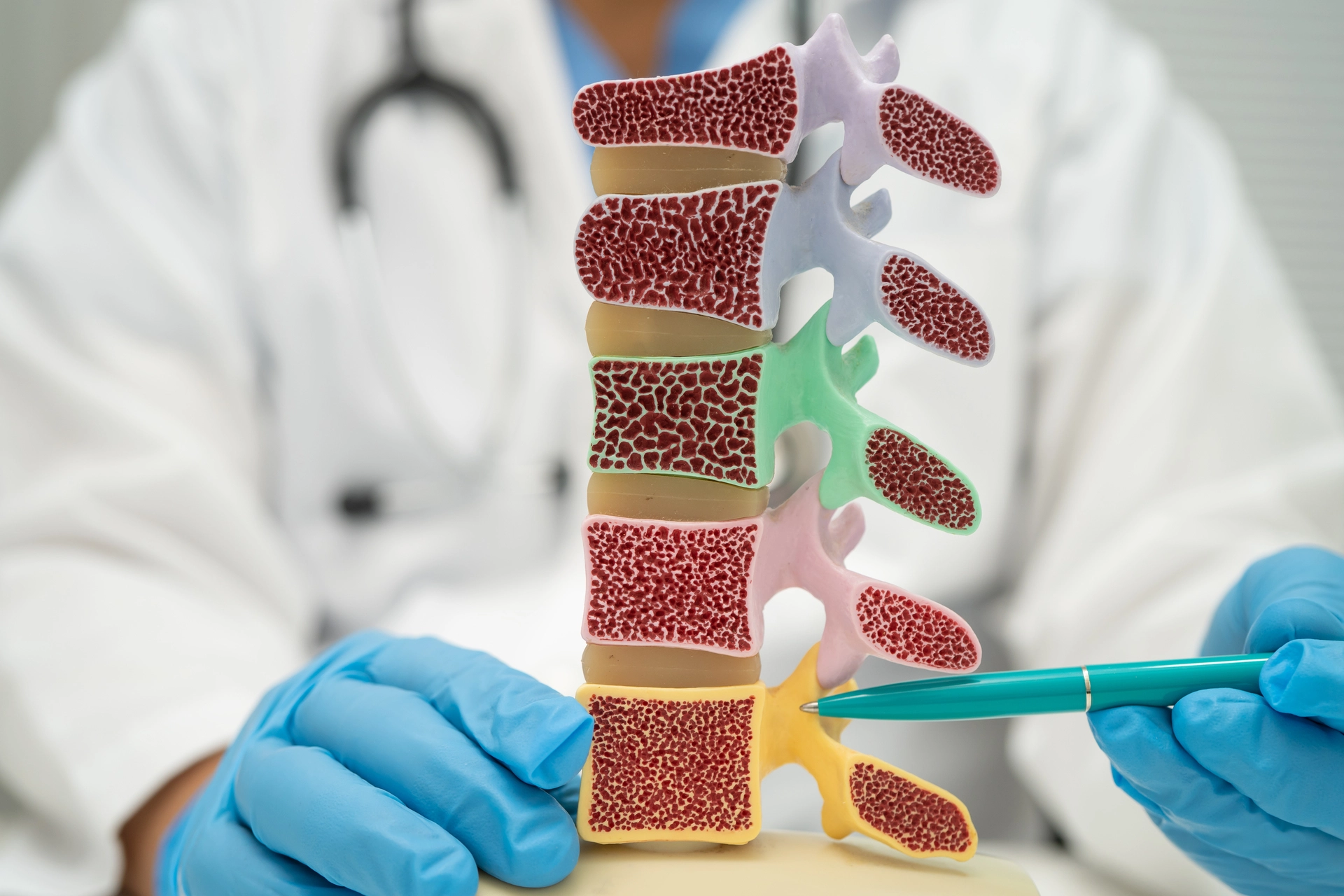
A slipped disc, also called a herniated or prolapsed disc, happens when the soft cushioning disc between spinal bones slips or bulges outward, putting pressure on nearby nerves.
Many patients panic after hearing the word “slipped disc” and immediately assume surgery is the only option.
But the reality is, not every slipped disc requires surgery.
Treatment depends on:
- Severity of symptoms
- Nerve involvement
- Pain intensity
- Mobility issues
- Response to conservative treatment
Common Symptoms of Slipped Disc
- Lower back pain
- Neck pain
- Pain radiating to the legs or arms
- Tingling sensation
- Numbness
- Muscle weakness
- Difficulty walking or sitting
Symptoms can range from mild discomfort to severe nerve compression.
1. Physiotherapy: Often The First Step
In many mild-to-moderate cases, physiotherapy helps significantly.
Physiotherapy focuses on:
- Reducing pain
- Improving posture
- Strengthening back muscles
- Improving flexibility
- Reducing pressure on nerves
Common therapies include:
- Stretching exercises
- Core strengthening
- Posture correction
- Mobility training
Regular physiotherapy can help many patients avoid surgery completely.
2. Medication For Pain & Inflammation
Medicines are commonly used to manage symptoms, especially during the acute phase.
Doctors may prescribe:
- Pain relief medications
- Muscle relaxants
- Anti-inflammatory medicines
These help:
- Reduce swelling
- Relax muscles
- Improve comfort during recovery
Important:
Self-medication or prolonged painkiller use should be avoided.
3. When Is Surgery Needed?
Surgery is usually considered when:
- Pain becomes severe and persistent
- There is significant nerve compression
- Weakness increases
- Walking becomes difficult
- Bladder or bowel control is affected
- Conservative treatment fails
Modern spine surgeries are more advanced, minimally invasive, and recovery-focused than many people assume.
Can Slipped Disc Heal Without Surgery?
In many cases, yes.
With:
- Proper treatment
- Physiotherapy
- Activity modification
- Weight management
- Medical supervision
Many patients recover successfully without surgical intervention.
Early diagnosis plays a major role in better outcomes.
What Should You Avoid?
If you have a slip disc, avoid:
- Heavy lifting
- Sudden twisting movements
- Poor posture
- Prolonged sitting
- Ignoring persistent symptoms
Delaying treatment may worsen nerve compression over time.
Early Treatment Can Prevent Long-Term Complications
Slip disc treatment is not the same for every patient.
Some recover with physiotherapy and medication, while others may require advanced spine care or surgery.
If you are experiencing persistent back pain, radiating pain, numbness, or mobility issues, consult our Orthopaedics or Spine Care Department for proper diagnosis and personalised treatment.
Conclusion
Early diagnosis and the right slipped disc treatment can help prevent long-term complications and improve recovery outcomes. Whether you need physiotherapy, medication, or advanced spine care, timely treatment is important. Learn more about our Spine Care services here or book your consultation today.
Yes, many mild-to-moderate slipped disc cases improve with physiotherapy, medication, posture correction, and lifestyle changes under medical supervision.
Common symptoms include lower back pain, neck pain, numbness, tingling, muscle weakness, and pain radiating to the arms or legs.
Surgery may be required if severe pain, nerve compression, weakness, walking difficulty, or bladder and bowel problems develop.
Yes, physiotherapy helps reduce pain, improve flexibility, strengthen muscles, and decrease pressure on spinal nerves.