ICU, NICU and PICU: What Is the Difference?
You hear the words and your heart races.
“The patient needs to be moved to the ICU.”
“Your baby is being taken to the NICU.”
“We’re shifting the child to the PICU.”
In a moment of medical crisis, these terms come at you fast, and with very little explanation.
For most families, it is frightening, confusing, and overwhelming all at once.
Understanding what each unit does, who it is designed for, and why your loved one may need it can make a difficult situation a little easier to navigate.
ICU - Intensive Care Unit
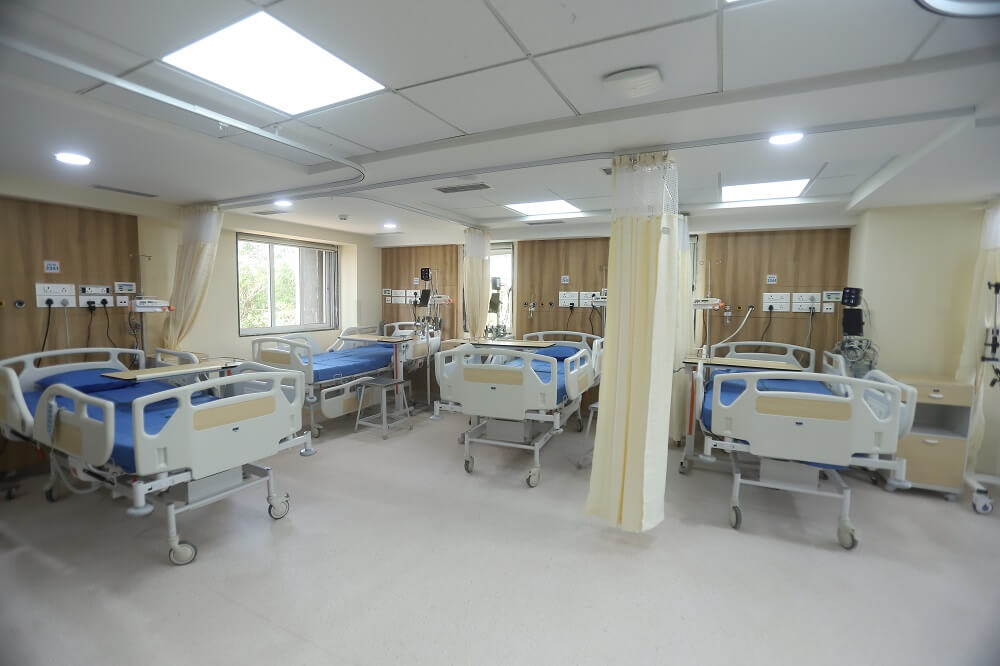
The ICU is a specialised ward designed for adult patients with life-threatening or critical conditions that require continuous, round-the-clock monitoring and advanced medical support.
Who is admitted to the ICU?
- Patients recovering from major surgeries
- Severe infections or sepsis
- Cardiac emergencies, heart attacks, heart failure
- Respiratory failure
- Stroke
- Severe trauma or injury
- Organ failure
What happens in the ICU?
- Constant monitoring of heart rate, blood pressure, oxygen levels, and breathing
- Ventilator support if the patient cannot breathe independently
- IV medications, fluid management, and specialised nutrition
- Immediate intervention available 24/7
ICU care is intended to stabilise critical patients and prevent further deterioration while the body heals.
NICU - Neonatal Intensive Care Unit
The NICU is a specialised unit exclusively for newborn babies, particularly premature infants or those born with medical complications.
Babies admitted to the NICU may include:
- Premature babies (born before 37 weeks)
- Low birth weight babies
- Newborns with breathing difficulties
- Babies with infections or jaundice requiring treatment
- Newborns born with congenital conditions
- Babies who experienced complications during delivery
What happens in the NICU?
Temperature-controlled incubators to replicate the womb environment
- Respiratory support and oxygen therapy
- Feeding support, through tubes if the baby cannot feed independently
- Continuous monitoring of vital signs
- Specialised neonatal nursing care
The NICU team works to help fragile newborns grow, stabilise, and develop until they are strong enough to go home.
Explore specialised NICU care for newborn babies at Apex Hospital.
PICU - Paediatric Intensive Care Unit
The PICU is designed for critically ill children, typically between the ages of 1 month and 18 years. It bridges the gap between the newborn-specific care of the NICU and the adult-focused ICU.
Children admitted to the PICU may have:
- Severe respiratory illness such as pneumonia or asthma attacks
- High fever with complications
- Seizures that require close monitoring
- Severe infections or sepsis
- Trauma or accidental injuries
- Post-operative care after major paediatric surgeries
- Neurological emergencies
Why does a child need a separate unit from adult ICU?
- Children’s anatomy, physiology, and medication requirements differ significantly from adults
- Equipment is specially sized for children
- Medical protocols are specifically designed for paediatric patients
- The emotional and psychological support approach for children and families is different
A Quick Comparison:
- ICU: Adults with critical medical conditions
- NICU: Newborns (0 to approximately 1 month) requiring specialised care
- PICU: Children (1 month to 18 years) with serious illness or injury
Being told your loved one needs intensive care is never easy. But knowing that each unit is designed with the specific needs of that patient in mind, and staffed with specialists trained precisely for that age group and condition, can offer some reassurance.
These are not just hospital wards. They are environments built to give the most critical patients the highest possible level of care at their most vulnerable moments.
If you have questions about critical care services for yourself or a family member, our team at Apex Hospital is available to guide you. Speak to our ICU, NICU, or Paediatric Care teams for information and support.
Conclusion
Being told that a loved one needs intensive care can feel overwhelming. But understanding the ICU NICU PICU difference can help families know why a specific unit has been recommended. Each unit is designed around the patient’s age, condition and level of medical support required.
At Apex Hospital, ICU, NICU and PICU care are supported by specialised teams, monitoring systems and emergency care protocols to help patients receive timely and appropriate treatment.
Need guidance about ICU, NICU or PICU care? Contact Apex Hospital for support and information.
The difference between ICU, NICU and PICU depends mainly on the patient’s age and medical needs. ICU is for adults, NICU is for newborn babies, and PICU is for children who need intensive care due to serious illness, injury or post-surgical recovery.
Newborn babies may be admitted to the NICU if they are premature, have low birth weight, breathing difficulty, jaundice, infection, feeding problems or complications during delivery. The NICU provides specialised newborn care with incubators, oxygen support, feeding support and continuous monitoring.
The ICU treats adult patients with critical or life-threatening conditions such as heart attack, stroke, severe infection, sepsis, respiratory failure, trauma, organ failure or recovery after major surgery. ICU care includes close monitoring, ventilator support, emergency medicines and advanced life support when required.
A child may need the PICU because children have different body size, organ function, medication doses and emotional needs compared to adults. PICU equipment, treatment protocols and medical teams are specially designed for paediatric patients.
Families can ask why intensive care is needed, what condition is being monitored, what treatments are being given, how often updates will be shared, what warning signs doctors are watching for, and when the patient may be shifted out of intensive care.