An Oncologist Explains: Why Early Cancer Detection Matters?
-Dr. Rohit Malde
In my years of practice as an oncologist, the one thing that has consistently made the biggest difference in patient outcomes is not the latest treatment protocol or the most advanced surgical technique.
It is the stage at which the patient walks through the door.
Early detection saves lives. This is not just a tagline. It is a clinical reality I see every single day.
What Does 'Early Detection' Actually Mean?
Cancer detected at Stage 1 or Stage 2, when it is still localised and has not spread to lymph nodes or distant organs, gives us significantly better treatment options and much higher survival rates.
By contrast, when cancer is detected at Stage 3 or Stage 4, treatment becomes more complex, more intensive, and outcomes are far less predictable.
The biology of cancer is straightforward in this one respect: the earlier we catch it, the more options we have.
Why Do Patients Often Come to Us Late?
From what I see in practice, there are a few consistent reasons:
- Symptoms were mild and ignored
- Fear of diagnosis; many patients admit they avoided testing because they were scared of what they might find
- Assuming symptoms are ‘normal’ aging or stress
- Lack of awareness about screening guidelines
- Dismissing symptoms as something else entirely
Cancers Where Early Detection Has the Highest Impact
Breast Cancer
- Detected at Stage 1: survival rate is over 90%
- Detected at Stage 4: survival rate drops significantly
- Mammography and self-examination are key
Cervical Cancer
- One of the most preventable cancers with regular Pap smears
- HPV vaccination combined with routine screening can prevent most cases
Colorectal Cancer
- Colonoscopy can detect and remove pre-cancerous polyps before they become malignant
- Regular screening from age 45 is strongly recommended
Oral Cancer
- Common in India due to tobacco and areca nut (Supari) use
- Early stage oral lesions are highly treatable
- Many cases are ignored as ‘mouth ulcers’ for months
Lung Cancer
- Often detected late because symptoms appear after significant growth
- High-risk individuals, smokers above age 50, should consider low-dose CT screening
What Are the Warning Signs You Should Never Ignore?
- A lump or swelling anywhere in the body
- Unexplained weight loss
- Persistent fatigue without reason
- Changes in bowel or bladder habits
- Difficulty swallowing
- Unexplained bleeding
- A sore or wound that does not heal
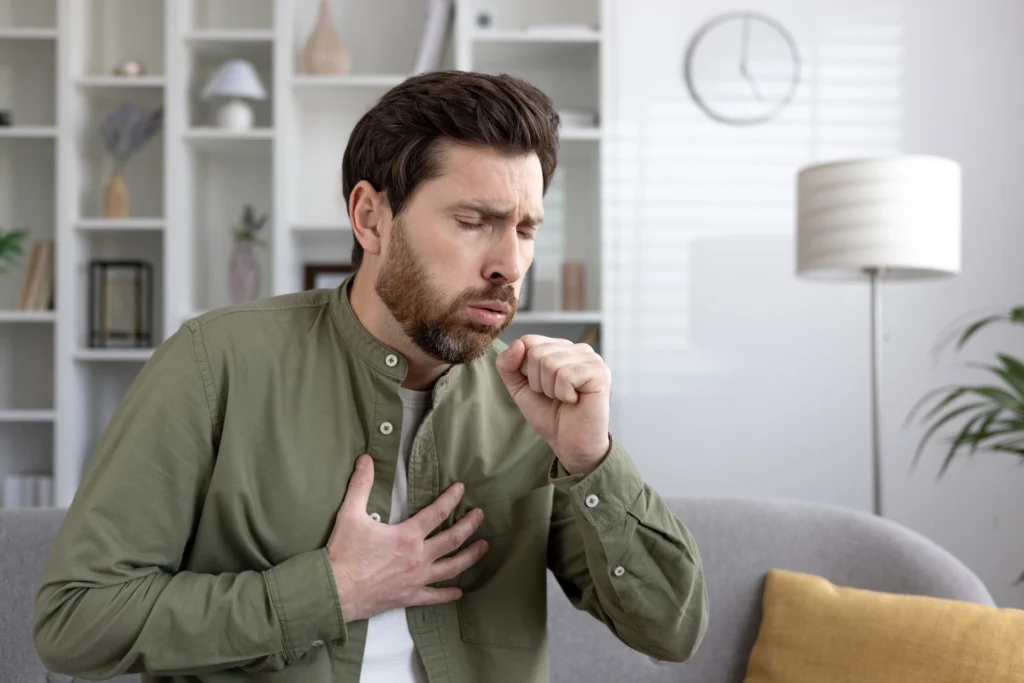
- Persistent cough or hoarseness
Who Should Consider Cancer Screening Proactively?
- Anyone above age 40 with a family history of cancer
- Smokers or individuals with tobacco use history
- Women above 40, for breast and cervical cancer screening
- Individuals with chronic infections such as Hepatitis B or C (liver cancer risk)
- Those with unexplained, persistent symptoms
As an oncologist, I would rather see a hundred patients for routine screening and find nothing, than see one patient arrive too late.
The conversation we dread the most, telling someone their cancer is now difficult to treat, is often a conversation that early detection could have prevented.
If you have been experiencing unexplained symptoms or belong to a high-risk group, consult our Oncology Department for a comprehensive evaluation and appropriate cancer screening. Early action is always the right action.
Conclusion
Early cancer detection means finding cancer before it spreads or before symptoms become severe. When cancer is diagnosed at an early stage, doctors often have more treatment options, treatment may be less complex, and the chances of better outcomes can improve.
In this blog, Dr Rohit Malde explains why early cancer detection matters, which symptoms should not be ignored, and who should consider proactive cancer screening. Book a Cancer Screening Consultation.
Early cancer detection means identifying cancer at an early stage, often before it has spread to lymph nodes or distant organs. This may happen through screening tests, regular health checks, or timely evaluation of symptoms.
Early cancer detection matters because treatment is usually more effective when cancer is found before it spreads. It may give doctors more treatment choices and may reduce the need for highly intensive treatment.
Warning signs include a new lump, unexplained weight loss, persistent fatigue, changes in bowel or bladder habits, unexplained bleeding, difficulty swallowing, persistent cough, hoarseness, or a wound that does not heal.
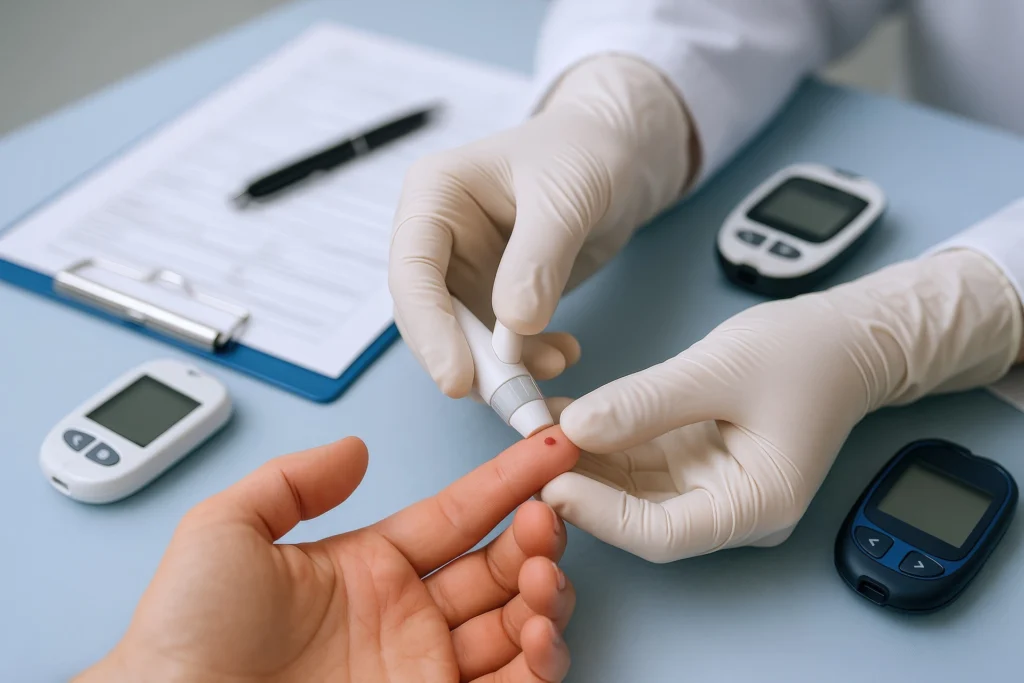
Depending on age, gender, symptoms, and risk factors, screening may include mammography for breast cancer, Pap smear or HPV testing for cervical cancer, colonoscopy or stool-based tests for colorectal cancer, oral examination for tobacco users, and low-dose CT for high-risk smokers.