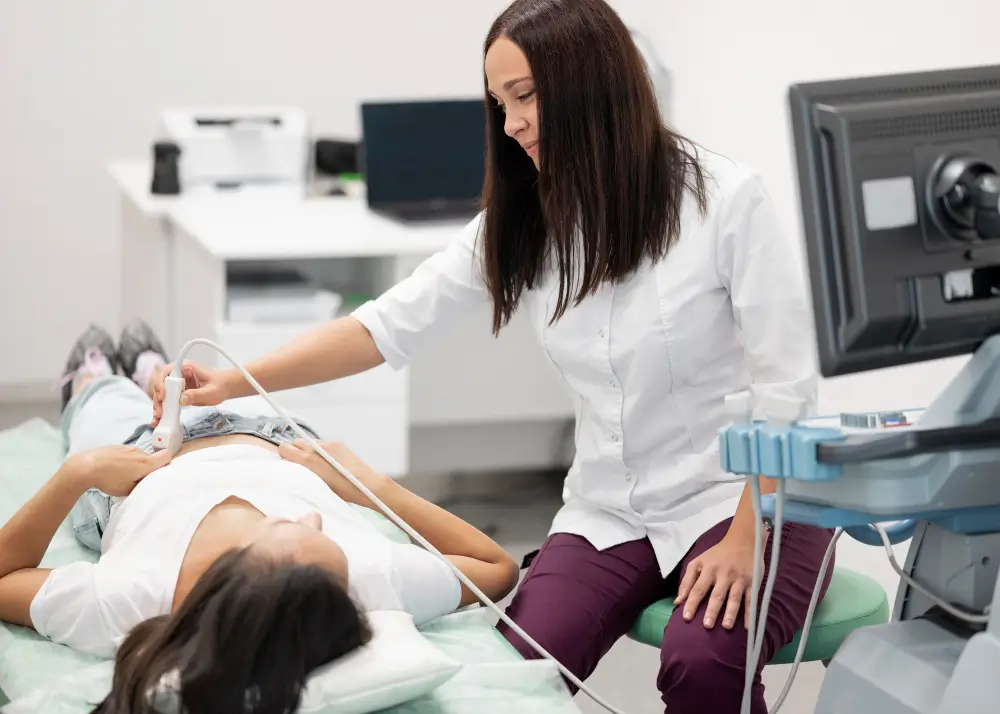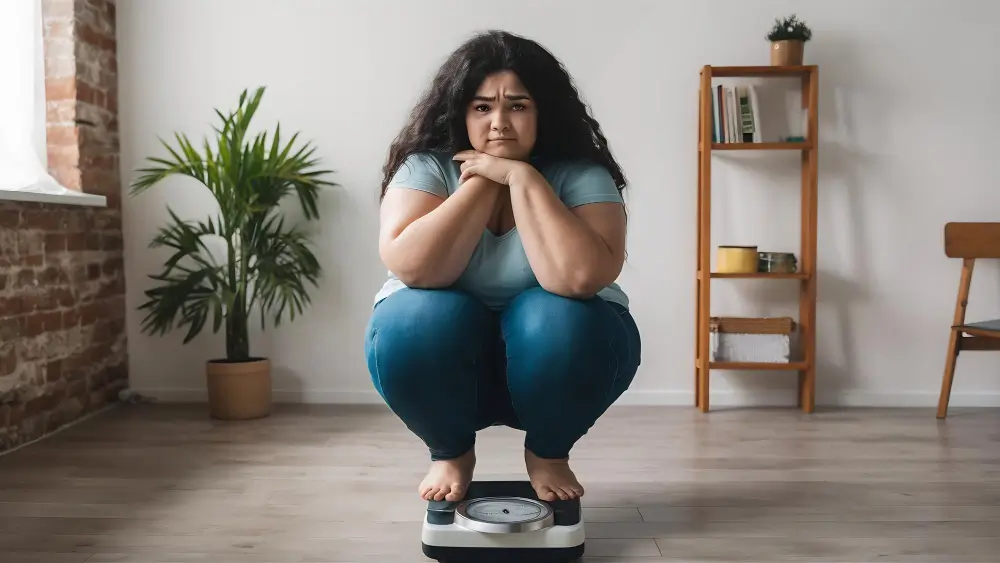
Have you suddenly gained weight without changing your diet… while your periods have become unpredictable or absent? If you’ve been told “it’s just stress” or “just lose weight,” you’re not alone. Many women experience these symptoms but dismiss them as stress, lifestyle changes, or “normal hormonal issues.”
A 27-year-old patient recently came in after months of irregular cycles and weight gain. She blamed herself until tests confirmed PCOS. With proper treatment, her cycles stabilised within months.
However, when sudden weight gain and irregular periods occur together, they may signal an underlying hormonal condition known as Polycystic Ovary Syndrome (PCOS), one of the most common endocrine disorders in women.
Ignoring these early signs can delay diagnosis and lead to complications affecting fertility, metabolism, skin, and mental health. Understanding what your body is trying to tell you is the first step toward regaining control.
When Your Body Starts Sending Warning Signals
Weight fluctuations happen to everyone. Periods can occasionally be late. But when both changes occur suddenly and persistently, they deserve attention.
Women with PCOS often experience:
Early Signs of PCOS You Should Not Ignore
- Irregular or missed periods
- Weight gain around the abdomen
- Acne that doesn’t improve
- Excess facial hair
- Hair thinning
- Dark skin patches
- Difficulty conceiving
Unexplained Weight Gain
- Rapid or gradual gain, especially around the abdomen
- Difficulty losing weight despite diet and exercise
- Increased cravings and fatigue
- Bloating or fluid retention
Insulin resistance, common in PCOS, causes the body to store more fat and produce higher levels of insulin, which can worsen the hormonal imbalance.
Irregular or Missed Periods
- Cycles longer than 35 days
- Fewer than 8–9 periods per year
- Very heavy or very light bleeding
- Complete absence of periods
Irregular menstruation occurs because ovulation does not happen regularly when hormone levels are disrupted.
Why These Symptoms Feel Personal - And Often Confusing
Many women blame themselves:
- “I must be eating wrong.”
- “Maybe I’m just stressed.”
- “It’s probably normal.”
But PCOS symptoms vary widely. Some women struggle mainly with weight, others with skin issues, fertility, or mood changes.
You might also notice:
- Acne or oily skin
- Excess facial or body hair
- Hair thinning on the scalp
- Dark patches of skin
- Mood swings or fatigue
These occur due to excess androgen (male hormones) produced by the ovaries.
Because the symptoms develop gradually, many women remain undiagnosed for years.
Understanding PCOS - The Root Cause
PCOS is not just an ovarian condition; it affects the entire body.
Hormonal Imbalance
Elevated androgen levels interfere with normal ovulation, leading to irregular cycles.
Insulin Resistance
The body struggles to use insulin effectively, resulting in higher insulin levels that promote fat storage and hormone disruption.
Genetic Factors
PCOS often runs in families, suggesting a hereditary component.
Chronic Inflammation
Low-grade inflammation may stimulate the ovaries to produce excess androgens.
Modern Ways to Manage PCOS Effectively
While there is no permanent cure, symptoms can be controlled with the right approach.
Lifestyle Changes (First-Line Treatment)
- Balanced diet with low glycemic load
- Regular physical activity
- Stress management
- Adequate sleep
Even modest weight loss can significantly improve symptoms and menstrual regularity.
Medical Management
Doctors may recommend medications to:
- Regulate menstrual cycles
- Improve insulin sensitivity
- Reduce androgen effects
- Support fertility when needed
Treatment is personalised based on symptoms, age, and reproductive goals.
When Should You See a Doctor?
Seek medical evaluation if you experience:
- Sudden or persistent weight gain
- Irregular or absent periods
- Difficulty conceiving
- Excess hair growth or acne
- Symptoms worsening over time
Early diagnosis can reduce the risks of diabetes, heart disease, and infertility.
You Are Not Alone - And Help Is Available
PCOS affects millions of women worldwide, yet many suffer silently due to a lack of awareness or stigma. Recognising symptoms early can transform outcomes and quality of life.
When Should You See a Doctor?
Seek medical consultation if you notice:
- A new lump that does not go away
- Persistent breast pain in one area
- Nipple discharge (especially bloody)
- Skin thickening or dimpling
- Sudden change in breast shape
Prompt evaluation ensures peace of mind and appropriate management.
Take the Next Step Toward Hormonal Balance
If you’re experiencing sudden weight gain, irregular periods, or other hormonal symptoms, don’t wait and wonder. Book a PCOS evaluation today and take control of your health. For booking call: 9136665105. PCOS doesn’t resolve on its own. The earlier it’s diagnosed, the easier it is to manage.
Consult experienced specialists for proper evaluation, diagnosis, and personalised care.
👉 For expert women’s healthcare and comprehensive medical support, visit Apex Hospital
🌐 https://apexgroupofhospitals.com/
Early action can protect your reproductive health, metabolic wellness, and overall well-being.
Frequently Asked Questions
1. Can sudden weight gain alone indicate PCOS?
Not necessarily. However, when combined with irregular periods or other hormonal symptoms, it may indicate PCOS and should be evaluated.
2. Do all women with PCOS have ovarian cysts?
No. Some women have PCOS without visible cysts, as the condition is defined by hormonal imbalance and ovulatory dysfunction.
3. Can PCOS be cured permanently?
There is no permanent cure, but symptoms can be effectively managed with lifestyle changes and medical treatment.
4. Does PCOS always cause infertility?
No. Many women with PCOS conceive naturally or with medical assistance.
5. Is weight loss necessary for treatment?
Not always, but maintaining a healthy weight can significantly improve symptoms and hormonal balance.
6. At what age does PCOS usually start?
Symptoms often begin during adolescence but may become noticeable later in the reproductive years.
Take Charge of Your Breast Health Today
Take Charge of Your Breast Health Today
Your body often gives early signals; listening to them can make all the difference. Self-breast examination is a simple yet powerful habit that promotes awareness and early detection of breast lumps.
If you notice any unusual breast changes or have concerns about your breast health, do not delay seeking professional guidance. Early consultation provides clarity, reassurance, and the right medical direction.
At Apex Hospital, we encourage young women to prioritise preventive health and regular medical check-ups. Your health is your strength. Take the first step toward protecting it today.
Share this article with a friend, sister, or colleague. One conversation could make a life changing difference.