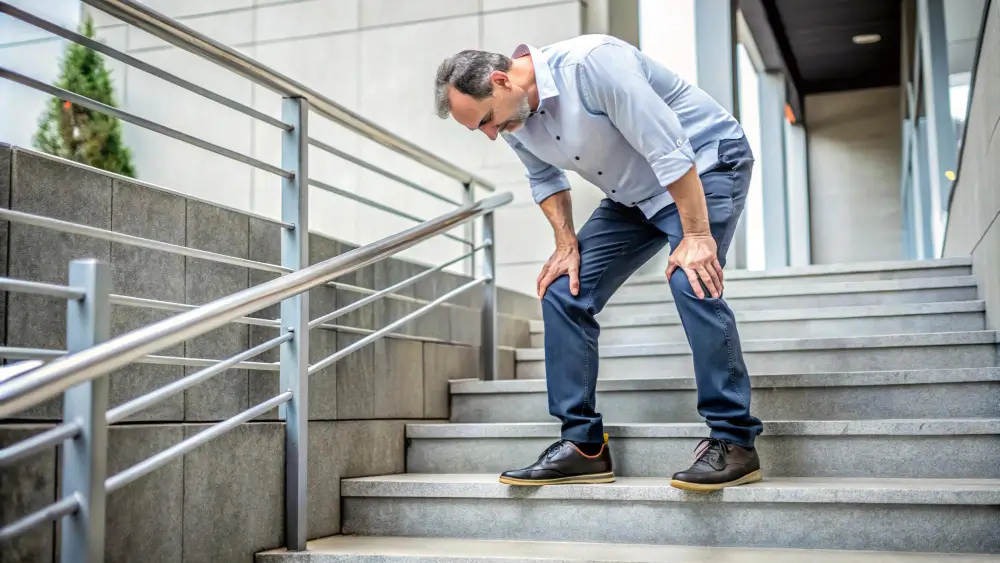
Back pain has become one of the most common health complaints today, affecting people of all age groups. Whether it starts as a mild ache after household work, office hours, or travel, persistent back pain after daily activities should never be ignored. While occasional discomfort is normal, pain that continues for weeks or worsens with routine movement may indicate an underlying orthopaedic condition requiring medical attention.
In my work experience of 10+ years, I have observed that the following are the common causes of back pain after daily activities.
Common Causes of Back Pain After Daily Activities
Muscle Strain and Overuse
Poor posture, long sitting hours, heavy lifting, or sudden movements can strain back muscles, leading to stiffness and pain.
Slipped Disc or Herniated Disc
A slipped disc occurs when the soft disc between spinal bones moves out of place and presses on nerves, causing pain, tingling, or numbness.
Degenerative Spine Conditions
Age-related conditions like spondylosis or osteoarthritis can cause chronic back pain, especially after physical activity.
Poor Posture and Sedentary Lifestyle
Long hours at a desk, lack of exercise, and improper sitting posture often lead to persistent lower back pain.
Spinal Deformities or Injuries
Conditions like scoliosis, trauma, or old injuries can also contribute to ongoing back discomfort.
At Apex Hospital, our experienced orthopaedic specialists help diagnose and treat the root cause of back pain, ensuring long-term relief and improved quality of life.
Understanding Persistent Back Pain
Back pain is considered persistent when it:
- Lasts more than 2–3 weeks
- Keeps recurring despite rest
- Interferes with daily activities or sleep
- Worsens with bending, standing, or walking
Many people ignore early symptoms, assuming the pain will go away on its own. However, untreated back problems can progress and affect mobility, posture, and overall health.
When Should You See an Orthopaedic Doctor?
You should consult an orthopaedic specialist if you experience:
- Back pain lasting more than 2 weeks
- Pain radiating to the legs or arms
- Numbness, weakness, or tingling
- Difficulty walking or standing
- Pain after a minor injury or a fall
- Back pain with fever or unexplained weight loss
Early diagnosis helps prevent complications and reduces the need for surgery.
How an Orthopaedic Specialist Diagnoses Back Pain
At Apex Hospital, our orthopaedic doctors follow a comprehensive approach that includes:
- Detailed physical examination
- Review of medical history
- X-rays, MRI, or CT scans if required
- Posture and movement analysis
This helps identify the exact cause and plan a personalised treatment approach.
Treatment Options for Persistent Back Pain
Non-Surgical Treatments
Most patients find relief through non-surgical methods such as:
- Pain management medications
- Physiotherapy and posture correction
- Lifestyle modifications
- Heat or cold therapy
- Core-strengthening exercises
Advanced Orthopaedic Treatments
For severe or long-standing cases:
- Spine injections
- Minimally invasive procedures
- Surgical intervention (only when necessary)
At Apex Hospital, we focus on conservative treatment first, ensuring safe and effective recovery.
Why Choose Apex Hospital for Back Pain Treatment?
- Experienced orthopaedic specialists
- Advanced diagnostic facilities
- Personalised treatment plans
- Modern physiotherapy unit
- Patient-centric care approach
- Affordable and transparent treatment
Our goal is not just pain relief but long-term spine health and mobility.
FAQs - Persistent Back Pain & Orthopaedic Care
Q1. Is daily back pain normal?
Occasional pain is common, but persistent or recurring back pain is not normal and should be evaluated by an orthopaedic doctor.
Q2. When should I consult an orthopaedic doctor for back pain?
If pain lasts more than 2 weeks, affects movement, or radiates to the legs, you should consult a specialist immediately.
Q3. Can back pain be treated without surgery?
Yes. Most cases are treated successfully with physiotherapy, medication, and lifestyle changes without surgery.
Q4. What tests are required for back pain?
Depending on symptoms, X-rays, MRI scans, or blood tests may be advised for accurate diagnosis.
Q5. Is back pain treatment available at Apex Hospital?
Yes. Apex Hospital offers complete diagnosis and treatment for back pain under experienced orthopaedic specialists.
Book Your Consultation Today
If you are experiencing persistent back pain after daily activities, don’t ignore the warning signs. Early diagnosis and proper treatment can prevent long-term complications.
📞 Book an appointment with an Orthopaedic Specialist at Apex Hospital today
🏥 Get expert care, advanced treatment, and personalised recovery plans
✅ Relief from pain | Improved mobility | Better quality of life
Author By: Dr. Ravi Bhanushali