Knee Pain While Walking? Don’t Ignore These Early Warning Signs
It usually starts small.
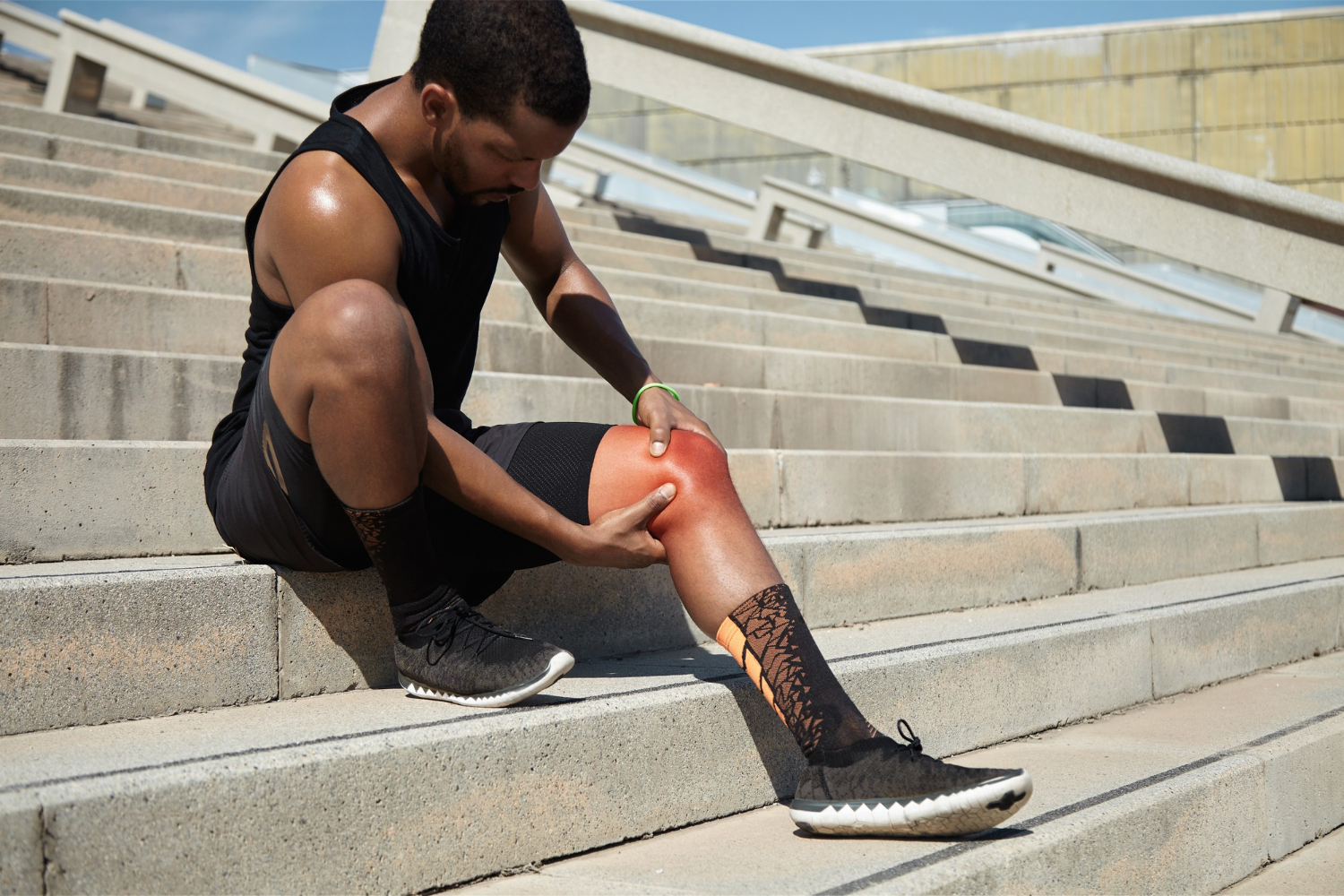
A slight discomfort while climbing stairs.
A dull ache during your morning walk.
A stiffness when you stand up after sitting for a while.
Most people ignore it.
But here’s the reality:
Early knee pain is often the first sign of joint damage.
And the sooner you address it, the easier it is to treat.
What might your knee pain be indicating?
Your body often gives subtle signals before a bigger problem develops.
Pay attention if you notice:
- Morning stiffness that takes time to ease: could be an early sign of Osteoarthritis
- Clicking or grinding while moving: possible cartilage wear
- Swelling that comes and goes: joint inflammation
- Pain while going downstairs: common in kneecap-related issues
- Knee feeling unstable or “giving way”: ligament or meniscus concern
- Discomfort after long sitting: early joint wear and stiffness
These signs may seem minor, but they’re often the stage where treatment works best.
Common conditions that start this way?
Many patients who search for knee pain treatment in Borivali, Kandivali, or Mulund are often dealing with:
- Early Osteoarthritis (wear and tear of cartilage)
- Meniscus injuries (shock absorber damage)
- Patellofemoral pain (kneecap misalignment)
- Ligament strain or old, untreated injuries
- Joint inflammation, such as bursitis
The key difference?
Early diagnosis can prevent long-term damage.
Everyday habits that can worsen knee pain!
- Without realising it, many people accelerate joint damage:
- Ignoring pain and continuing high-impact activity
- Excess weight (each extra kg puts multiple times the pressure on the knee)
- Wearing unsupportive footwear
- Sitting in the same position for long hours
- Avoiding movement completely due to fear of pain
Small changes here can significantly reduce progression.
The good news? Treatment is easier than you think!
Knee pain does not automatically mean surgery.
With advances in orthopaedic care, most patients improve with:
- Targeted physiotherapy
- Medication and guided injections
- Minimally invasive procedures like arthroscopy
- Advanced options like robotic-assisted knee replacement (only when needed)
If you’re looking for a knee specialist in Borivali, Kandivali, or Mulund, early treatment can often help you avoid surgery altogether.
When should you see a doctor?
You shouldn’t wait if:
- Pain is recurring or increasing
- It affects walking, climbing stairs, or daily activity
- You feel stiffness, swelling, or instability
Don’t wait until movement becomes difficult!
Knee problems rarely improve by ignoring them.
The earlier you act, the more treatment options you have.
A simple clinical evaluation, and if needed, a scan, can clearly identify the issue and guide the right treatment plan.
Book your knee consultation today and take the first step toward pain-free movement.
Conclusion
Ignoring persistent knee pain while walking can lead to worsening joint problems, reduced mobility, and long-term discomfort. Early diagnosis helps identify the exact cause and allows timely treatment to prevent complications. If you notice swelling, stiffness, instability, or pain that affects daily activities, consult an orthopaedic specialist for proper evaluation and care. You can get expert care through Dr Aashiket Sable, and contact us to take the next step toward expert treatment and recovery.
Knee pain while walking can occur due to arthritis, ligament injuries, cartilage damage, overuse, muscle strain, or improper joint alignment.
You should seek medical advice if the pain persists for more than a few days, causes swelling, limits movement, or makes walking difficult.
Yes. Many cases improve with physiotherapy, medications, lifestyle changes, weight management, and supportive treatments.
It can be. Osteoarthritis commonly causes pain, stiffness, and discomfort during walking, especially in older adults.