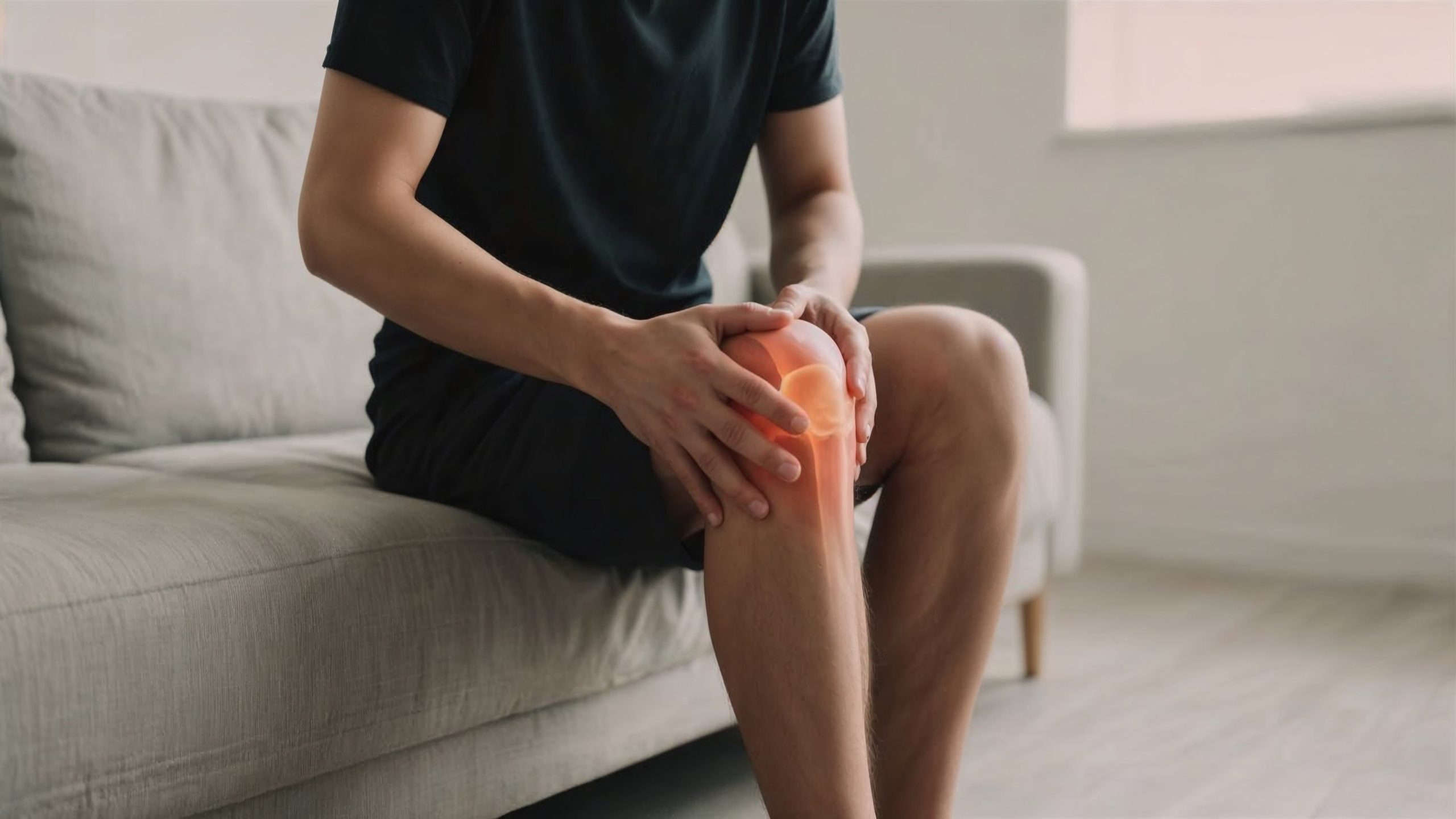
Every monsoon, I notice more patients visiting with complaints of knee pain, stiffness, and difficulty walking. Many tell me that their symptoms seem to worsen as soon as the rains begin.
One of the most common questions I am asked is, “Does rainy weather actually cause knee pain?” The answer is no. The weather does not damage your knees, but it can make existing joint problems feel more noticeable.
Over years of practice, I have found that most patients can manage their knee pain successfully with early attention, regular movement, and a few simple lifestyle changes. The key is understanding what makes the pain worse and knowing when to seek medical advice.
Why Does Knee Pain Feel Worse During the Monsoon?
Although there is no single explanation, there are several factors that may contribute to increased discomfort during the rainy season.
1. Changes in air pressure
A drop in atmospheric pressure before or during rainfall may affect the tissues around the knee joint, making pain and stiffness more noticeable in some people.
2. Cold and damp weather
Cooler temperatures can make the muscles, ligaments, and tendons around the knee feel tighter, reducing flexibility and increasing stiffness.
3. Reduced physical activity
Many people become less active during the rainy season. Less movement can lead to stiff joints and weaker muscles, both of which can worsen knee pain.
4. Existing joint conditions
People living with arthritis, previous knee injuries, cartilage damage, or age-related wear and tear are more likely to experience increased discomfort during the monsoon.
Who Is More Likely to Experience Knee Pain?
From what I see in practice, knee pain during the rainy season is more common in:
- Older adults
- Individuals with previous knee injuries
- People who are overweight or obese
- People living with arthritis
- People with a sedentary lifestyle
Common Mistakes Patients Make:
Many people unknowingly make their symptoms worse by following advice that is not always helpful.
The most common mistakes I see include:
- Avoiding physical activity because of pain
- Ignoring persistent pain or swelling
- Taking painkillers without medical advice
- Delaying treatment until the pain becomes severe
Managing Knee Pain During the Monsoon:
- Stay active with regular walking, stretching, and strengthening exercises
- Maintain a healthy body weight
- Keep the knees warm during cold weather
- Wear supportive, well-fitting footwear with good grip.
- Follow the treatment plan advised by your orthopaedic specialist
When Should You See an Orthopaedic Specialist?
Not every episode of knee pain requires urgent treatment, but certain symptoms should never be ignored.
I recommend seeking medical attention if you experience:
- Knee pain that lasts for several days
- Persistent swelling around the joint
- Difficulty walking or climbing stairs
- A knee that locks or gives way
- Redness or warmth around the joint
- Pain following a fall or injury
Early evaluation helps identify the cause of pain and allows early treatment before it worsens.
If your knee pain is becoming frequent or affecting your daily activities, consult our Orthopaedics Department for a comprehensive evaluation and a personalised treatment plan. Your mobility is worth protecting.