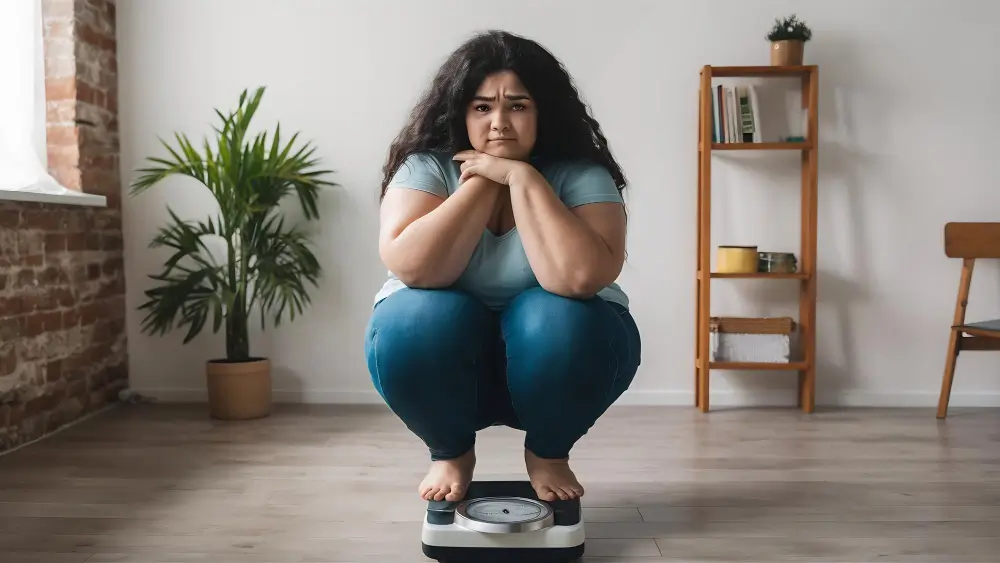
You’re getting dressed for work when you feel something unusual, a small lump you’ve never noticed before. Your heart races. ‘I’m too young for this… right?
Breast health is often associated with older women, but the reality is that breast lumps in young women are more common than many realise. For women in their 20s and 30s, discovering a lump can trigger immediate fear and anxiety. However, not every lump is cancerous. Many are benign conditions, such as fibroadenomas or cysts.
What truly makes the difference is awareness and early detection. Practising self breast examination regularly empowers young women to understand their bodies, detect unusual changes early, and seek timely medical advice when needed. At Apex Hospital, we believe education and awareness are the first steps toward prevention and early intervention.
Understanding Breast Lumps in Young Women
Finding a lump in the breast can feel overwhelming. Young women often ignore minor changes, assuming they are hormonal or temporary. While many breast lumps are non-cancerous, ignoring them can delay diagnosis if the condition requires medical attention.
Common Causes of Breast Lumps in Young Women
- Fibroadenomas (non-cancerous solid lumps)
- Breast cysts (fluid-filled sacs)
- Hormonal changes during menstrual cycles
- Infections or inflammation
- Rarely, early-stage breast cancer
Although breast cancer is less common in younger women compared to older age groups, it is not impossible. That is why early detection of breast lumps plays a crucial role in better outcomes.
Why This Issue Feels Personal
- Cultural stigma around discussing breast health
- Social media misinformation
- Body image concerns
For many young women, breast health is not something discussed openly. There may be hesitation, embarrassment, or fear associated with talking about breast changes. Some may delay consulting a doctor due to:
- Fear of diagnosis
- Lack of awareness
- Busy lifestyle
- Assuming they are “too young” for serious conditions
But your health should never be postponed.
If you notice a persistent lump, a change in breast shape, nipple discharge, skin dimpling, or unusual pain, it is important to consult a qualified medical professional promptly. Early consultation reduces anxiety and ensures appropriate guidance.
Getting it checked early doesn’t just protect your health, it protects your peace of mind.
Quick Takeaways
- Most breast lumps in young women are benign
- Monthly self-checks build body awareness
- Persistent changes should never be ignored
- Early consultation = better outcomes
The Power of Self Breast Examination
What is Self-Breast Examination?
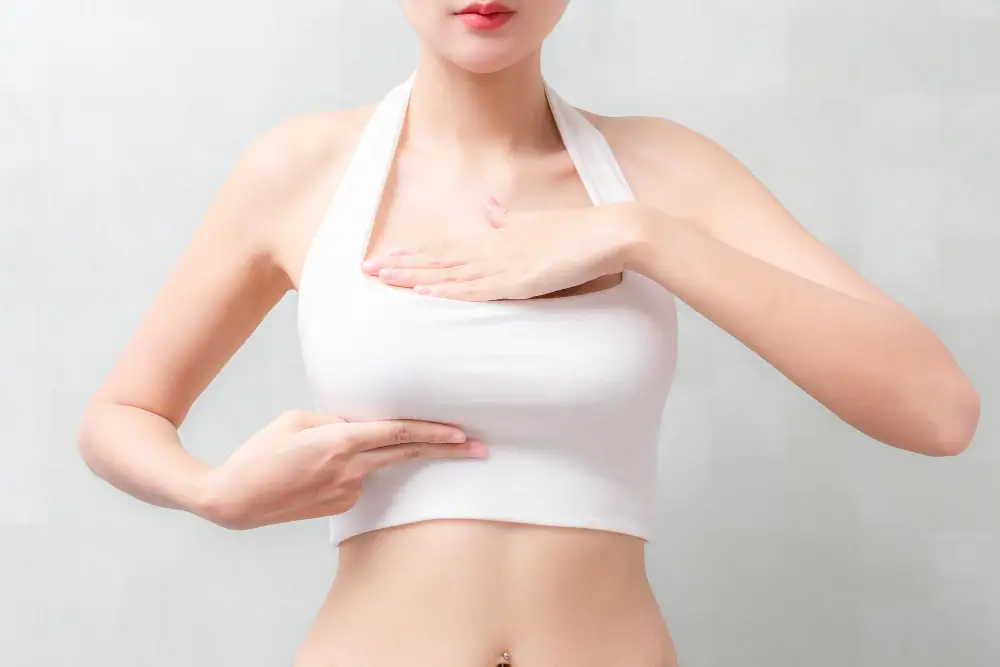
A self breast examination (SBE) is a simple technique that women can perform at home to check for changes or abnormalities in their breasts. It helps you become familiar with how your breasts normally look and feel.
When done monthly, it increases awareness and improves the chances of detecting changes early.
When Should Young Women Start?
Women can begin self breast examinations in their early 20s. The best time to perform it is:
- A few days after your menstrual period ends (when breasts are least tender)
- On a fixed date each month for women with irregular cycles
How to Perform a Self Breast Examination
- A simple self-exam infographic
- A 3-step visual guide
- A “Do & Don’t” checklist
Step 1: Visual Inspection
Stand in front of a mirror with your shoulders straight and arms at your sides. Look for:
- Changes in breast size or shape
- Skin dimpling or puckering
- Redness or rash
- Nipple inversion
Repeat this with arms raised overhead.
Step 2: Manual Examination While Standing
Using the pads of your fingers:
- Move in circular motions
- Cover the entire breast from top to bottom
- Check the armpit area
- Apply light, medium, and firm pressure
Step 3: Manual Examination While Lying Down
Lie down and repeat the same circular motions. This position spreads the breast tissue evenly and makes it easier to feel abnormalities.
If you detect any unusual lump or change that persists beyond one menstrual cycle, seek medical evaluation immediately.
Research & Advancements in Breast Health
Medical research continues to emphasise the importance of early screening and awareness in reducing complications related to breast conditions.
Modern Diagnostic Techniques
If a lump is detected, doctors may recommend:
- Clinical breast examination
- Ultrasound imaging
- Mammography (if indicated)
- Biopsy (if required for confirmation)
With advancements in imaging and diagnostic methods, identifying the nature of a breast lump has become more precise and less invasive than before.
The key remains: early reporting leads to better clarity and outcomes.
Breaking Myths Around Breast Lumps
Many misconceptions prevent young women from acting quickly.
Myth 1: Only older women get breast lumps.
Reality: Breast lumps in young women are common, though most are benign.
Myth 2: If it doesn’t hurt, it’s not serious.
Reality: Many serious breast conditions are painless in early stages.
Myth 3: Family history is the only risk factor.
Reality: While family history increases risk, breast changes can occur without it.
When Should You See a Doctor?
Seek medical consultation if you notice:
- A new lump that does not go away
- Persistent breast pain in one area
- Nipple discharge (especially bloody)
- Skin thickening or dimpling
- Sudden change in breast shape
Prompt evaluation ensures peace of mind and appropriate management.
Why Early Detection Matters
Checking your breasts isn’t about expecting the worst. It’s about knowing your body, owning your health, and acting early if something changes.
Early detection of breast lumps significantly improves treatment options and outcomes if a condition requires intervention. It also prevents unnecessary anxiety caused by uncertainty.
Being proactive about your breast health is a sign of strength, not fear.
Frequently Asked Questions
1. Are breast lumps common in young women?
Yes, breast lumps are relatively common in young women and are often benign. However, any new or persistent lump should be evaluated by a doctor.
How often should I do a self-breast examination?
Once every month, preferably a few days after your menstrual period ends.
Is every breast lump cancerous?
No. Most breast lumps in young women are non-cancerous conditions like fibroadenomas or cysts. But a medical evaluation is necessary to confirm.
Can stress cause breast lumps?
Stress itself does not directly cause lumps, but hormonal fluctuations may influence breast changes.
What is the right age to start breast screening?
Self breast examination can begin in the early 20s. Clinical screening recommendations vary depending on individual risk factors.
Take Charge of Your Breast Health Today
Take Charge of Your Breast Health Today
Your body often gives early signals; listening to them can make all the difference. Self-breast examination is a simple yet powerful habit that promotes awareness and early detection of breast lumps.
If you notice any unusual breast changes or have concerns about your breast health, do not delay seeking professional guidance. Early consultation provides clarity, reassurance, and the right medical direction.
At Apex Hospital, we encourage young women to prioritise preventive health and regular medical check-ups. Your health is your strength. Take the first step toward protecting it today.
Share this article with a friend, sister, or colleague. One conversation could make a life changing difference.
Book an Appointment at Apex Hospital
If you’ve noticed a breast lump, persistent breast pain, nipple discharge, or any unusual change, don’t ignore the signs. Early evaluation can provide clarity, reassurance, and timely treatment if needed.
📞 Book your consultation today at Apex Hospital
👩⚕️ Expert women’s health care | Advanced breast imaging | Personalized guidance
Your breast health deserves attention and awareness. Trust Apex Hospital for comprehensive evaluation and compassionate support.