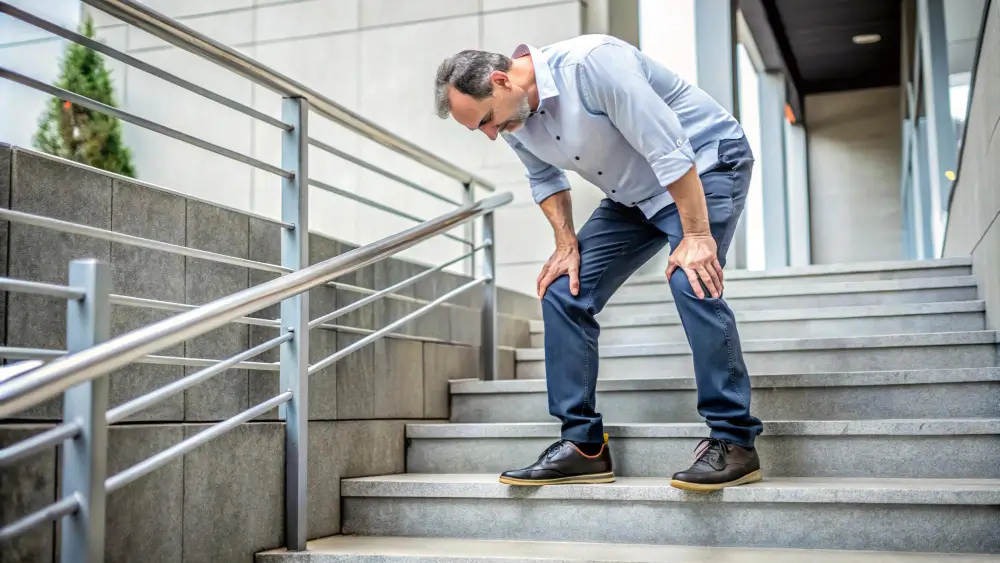
Bone and muscle injuries are among the most common health issues seen across all age groups, from children and athletes to working professionals and the elderly. As an orthopaedic doctor, I often see patients who ignore early warning signs, assuming the pain will subside on its own. Unfortunately, delayed treatment can lead to long-term complications, reduced mobility, and chronic discomfort.
At Apex Hospital, we believe early diagnosis and timely treatment play a crucial role in preventing serious musculoskeletal problems. In this blog, I’ll help you understand the early signs of bone and muscle injuries, when to seek medical care, and how proper treatment can help you recover faster and safer.
Understanding Bone and Muscle Injuries
Bone and muscle injuries can occur due to:
- Accidents or falls
- Sports or gym-related strain
- Poor posture
- Repetitive movements
- Age-related bone weakness
- Sudden twisting or impact
These injuries may affect muscles, ligaments, tendons, joints, or bones and can range from mild strains to fractures or ligament tears.
Early Signs of Bone and Muscle Injuries You Should Not Ignore
1. Persistent Pain
Pain that lasts more than a few days or increases with movement is often the first sign of an underlying issue. Muscle pain that doesn’t improve with rest could indicate a strain, tear, or inflammation.
2. Swelling or Inflammation
Swelling around joints or muscles usually signals internal injury. It may occur due to:
- Muscle tears
- Ligament injury
- Bone fractures
- Joint inflammation
Ignoring swelling can delay healing and worsen the condition.
3. Restricted Movement or Stiffness
Difficulty in moving a joint or muscle freely is a red flag. Stiffness in the morning or pain while bending, lifting, or walking should not be ignored.
4. Weakness or Instability
If you feel your joint is giving way or you experience muscle weakness, it could be due to nerve involvement or structural damage.
5. Bruising or Discolouration
Bruising often indicates internal bleeding caused by muscle injury or trauma. If it appears without any obvious reason, a medical evaluation is necessary.
6. Pain During Physical Activity
Pain that worsens during exercise or daily activity may be an early sign of stress injury or muscle fatigue that needs medical attention.
Why Early Diagnosis Is Important
Delaying treatment for bone and muscle injuries can lead to:
- Chronic pain
- Reduced mobility
- Permanent joint damage
- Increased risk of fractures
- Long recovery periods
Early diagnosis allows doctors to:
- Identify the exact cause
- Start timely treatment
- Prevent long-term complications
- Reduce the need for surgery
At Apex Hospital, we use advanced diagnostic tools such as X-rays, MRI scans, and physical evaluations to detect injuries at an early stage.
Common Bone and Muscle Injuries We Treat
Muscle-Related Injuries
- Muscle strain
- Muscle tear
- Sports injuries
- Overuse injuries
Bone and Joint Conditions
- Fractures
- Stress fractures
- Ligament injuries
- Tendonitis
- Joint inflammation
- Arthritis-related pain
When Should You See a Doctor?
You should consult an orthopaedic specialist if you experience:
- Pain lasting more than 3–5 days
- Difficulty walking or lifting objects
- Swelling that does not reduce
- Numbness or weakness
- Pain after a fall or accident
Early consultation can prevent complications and speed up recovery.
Diagnosis and Treatment at Apex Hospital
At Apex Hospital, we offer comprehensive care for bone and muscle injuries, including:
Diagnosis
- Physical examination
- Digital X-rays
- MRI and CT scans
- Functional movement assessment
Treatment Options
- Pain management
- Physiotherapy
- Medication
- Lifestyle and posture correction
- Non-surgical orthopaedic care
- Surgical intervention (if required)
Our treatment approach focuses on accurate diagnosis, personalised care, and faster recovery.
Tips to Prevent Bone and Muscle Injuries
- Maintain proper posture
- Warm up before exercise
- Avoid sudden heavy lifting
- Stay physically active
- Maintain bone health with proper nutrition
- Don’t ignore recurring pain
Why Choose Apex Hospital?
- Experienced orthopaedic specialists
- Advanced diagnostic facilities
- Personalised treatment plans
- Modern infrastructure
- Patient-centric approach
- Trusted hospital for bone and muscle care
Frequently Asked Questions (FAQs)
Q1. What are the early signs of bone injury?
Persistent pain, swelling, tenderness, restricted movement, and bruising are common early signs of bone injury.
Q2. When should I consult a doctor for muscle pain?
If muscle pain lasts more than a few days, increases with movement, or is accompanied by swelling or weakness, you should consult a doctor.
Q3. Can bone and muscle injuries heal on their own?
Minor injuries may heal with rest, but moderate to severe injuries require medical attention to avoid long-term damage.
Q4. How are bone and muscle injuries diagnosed?
Doctors use physical examination, X-rays, MRI scans, and clinical evaluation to diagnose the condition accurately.
Q5. Does Apex Hospital provide treatment for sports injuries?
Yes, Apex Hospital offers specialised care for sports-related bone and muscle injuries with advanced treatment options.
Book an Appointment at Apex Hospital
If you’re experiencing persistent pain, discomfort, or limited mobility, don’t ignore the signs. Early treatment can prevent long-term complications.
📞 Book your consultation today at Apex Hospital
👨⚕️ Expert orthopedic care | Advanced diagnostics | Personalized treatment
Your bones and muscles deserve timely care. Trust Apex Hospital for complete orthopaedic support.