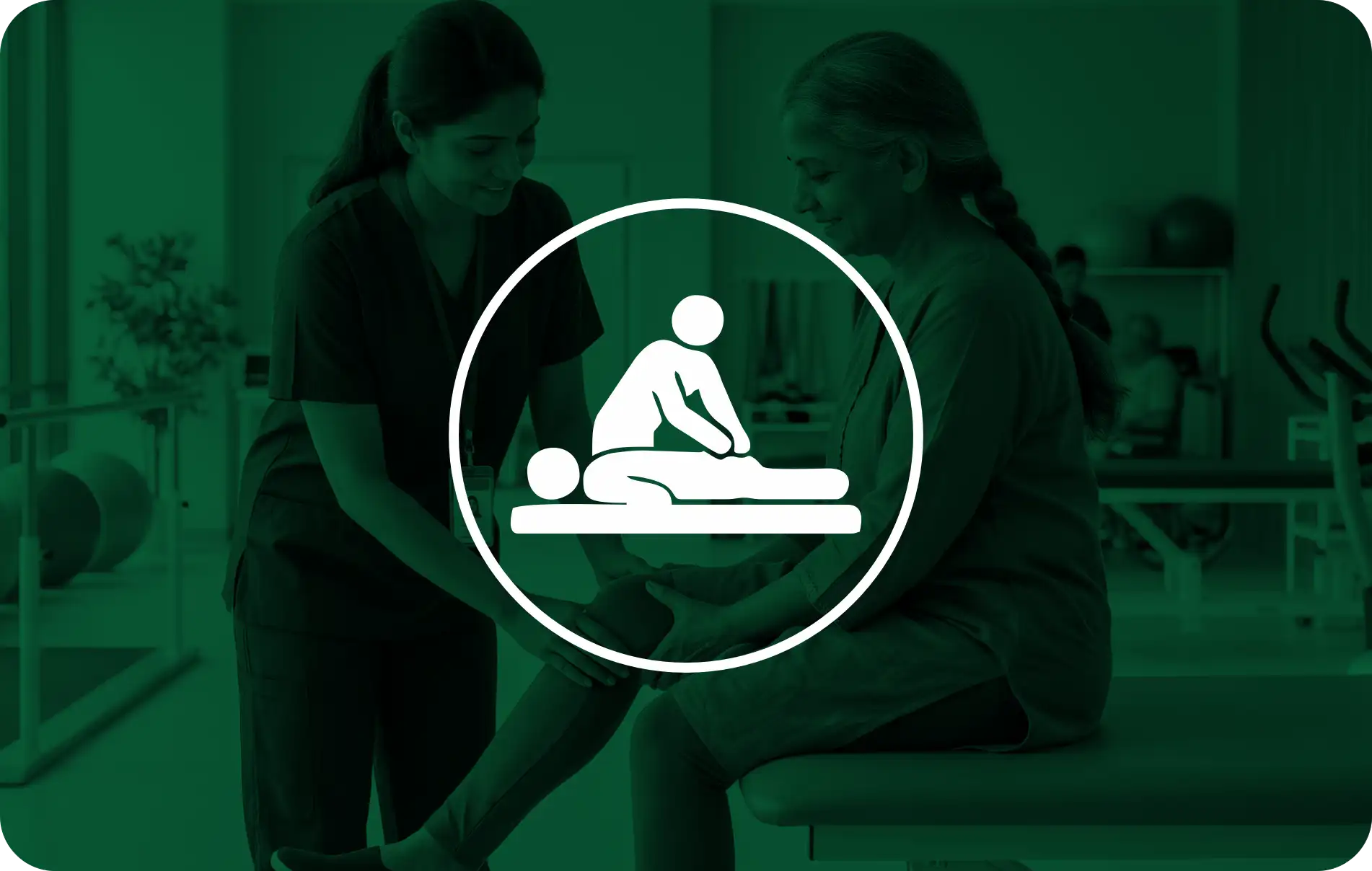
Manual therapy is a hands-on treatment in which the physiotherapist uses controlled pressure and movement to ease pain and stiffness. It includes joint mobilisation, soft-tissue massage, stretching and myofascial release, and it is used for back pain, neck pain, shoulder stiffness, tight muscles and some sports injuries. Many people notice that a stiff neck or lower back feels looser after a session.
A physiotherapist in Mumbai at Apex first examines the painful area, checks how the joint and muscles move and explains what will be done. The pressure is adjusted to the patient's comfort, and patients are encouraged to speak up if anything hurts. Sessions usually last twenty to forty minutes. Manual therapy is almost always followed by exercises, because the relief from hands-on treatment lasts longer when muscles are trained to hold the improved movement.
The therapist selects techniques according to the problem. Gentle, slow movements are used for painful joints, deeper pressure for tight muscle bands, and stretching for shortened tissues. Patients are also taught how to avoid positions that bring pain back, for example how to set up a desk, support the neck during sleep or lift safely at home.
How the Procedure Can Help
It can reduce pain and muscle tightness, improve joint movement, ease headaches that come from a stiff neck and make exercise easier and more comfortable. Better movement often improves sleep and daily activities such as turning, bending and reaching.
Risks and Considerations
Mild soreness for a day or so is common. Manual therapy is avoided or modified in people with fractures, severe osteoporosis, infection, tumours in the area, unexplained numbness or certain neck conditions. Patients should tell the therapist about dizziness, pins and needles, sharp pain, blood-thinning medicines and recent injuries. Sudden severe pain, weakness, vision changes or faintness during or after treatment needs immediate medical attention.